Friday, March 20, 2009

Ligia from Colombia by: Zavier

Colombia is where my babysitter, Ligia Valbuena comes from. Colombia is a place I will be telling you about, then some things about her. Colombia very big country and very populated as well. All together Colombia’s population is 44,760,630. It is ranked the second most populated country in South America. 98% of people live in the western part of Colombia and the other 2% live in the hot planes of the east. Bogotá is capital of Colombia. (World Book)

Colombia has a steadily growing economy. Colombia is a rich country by growing like this. They are currently going through the exact opposite we are doing economy wise (the U.S). The Colombian government is lax about education. Colombia requires all children to go to school for at least five years. But, most schools for rural children only have 2 to 3 grades. That’s pretty sad. That can be better. Even the amount of years required. (World Book)

Colombia has an interesting culture in my opinion. Colombia's flag colors are yellow, red and blue all stand for something. Yellow stands for the golden, new world, red for blood shed for the independence, and blue for the Atlantic Ocean. Let's go in to the real stuff. Like what Colombians eat, they like starchy foods, such as potatoes, rice, noodles, ect... They enjoy stews and thick soups. Colombians drink a lot of beer made in their own country (Colombia). Nearly all Colombians are Roman Catholics. (World Book).

Colombia has very interesting events in their history. Colombia all started when Spanish explorers came on its Colombia's Caribbean coast. Two centuries later, (1780 – 1781) many people protested against new taxes set by Spain. Years go by, and later in 1810, Colombia declares its independence. I bet you’re probably wondering how its name got to be Colombia. The name “Colombia” was chosen in honor of Christopher Columbus, the Italian explorer. But once Colombia declared its independence, it was called “Gran Colombia”. Gran Colombia owned Ecuador, Venezuela, and Panama. By 1830 only Venezuela and Ecuador had broken away and become separate nations. Now that those two territories, Venezuela and Ecuador, had broken away, it left “Gran Colombia” as what we know today, Colombia (World Book).

A Map of Gran Colombia
Colombia has had many civil wars. Disputes between the Liberal and Conservative parties often erupted into violence. The country has had eight constitutions 1821–1886. In 1903, Colombia lost Panama. Colombia lost Panama because the U.S. They wanted to sign a treaty to make a canal through the thin isthmus, Panama. Colombia refused to agree, and Panama revolted from Colombia with help from the U.S forces. Once Panama succeeded, Panama quickly agreed to the project. In 1922, the U.S paid $25 million for Colombia's loss of Panama. During World War II, however, Colombia helped keep the canal open. I know that’s kind of silly (World book).

Later on a lot of crazy things started happening in Colombia. But before that, Colombia's main civil war erupted from 1953 to 1964. Now for the craziness... Colombia was the world's largest producer of cocaine, which is a cause of many problems. Colombia had has other extreme things that have happened in my opinion, but it's not that crazy, by the way. Unlike in North America, where English is always changing, Colombia passed a law to prevent its main language (Spanish) from altering. (World book) I bet Ligia was probably forgotten about with all that interesting information. Let’s see her life and why she moved to Venezuela from Colombia to here, the United States of America.

1950. Many things happened. People died people cried and some were born and people laughed. Well less people in September born than the whole year of 1950. In Colombia, during September, just one day, the 4th. Ligia, my wonderful babysitter, was born. Growing up will be told later on. But one major thing happened Santiago, her father passed away do to cancer. Leaving the 12 siblings named, Marta, Fany, Anacruz, America, Gladis, Juan, Antonio, Henry, Ricardo, Luis, Jario, and Ligia. Ligia, being the oldest had more freedom and decided to move out to Washington D.C at 50 for a better future with her niece Carola.

If you were living an "ok" life, would you want a better future? Well, that's when Ligia decides to move to D.C. This was of those stay for 90 days, if I like it say. If I don't, then bye-bye, and back home. She was poor but that didn't effect on coming in to the U.S illegally through the dessert. But she flew on a typical commercial plane. If you were to step into her mind at the very moment of her flying on the plane, the first thing you would see is every feeling you could think of. Happy, sad, worried ect... Landing time!!

Here at last, in the airport and the moment is of happiness There's Carola! Later on, Carola introduces her co-worker's sister. Her sister, Cristina, has a family and is willing to give her a job babysitting her two year old daughter Mariana wich she had with Toni and soon to be born Sebastian. Being busy parents, the couple needed a babysitter for the two. So there you go, Gigi to the rescue!

Ligia's new name is Gigi all because baby Sebastian couldn't say Ligia. I think Gigi likes the U.S therefor she gets a green card in the year 2006. One year later, she goes back to her home country, Colombia, to get her stuff. 2007 was the first time she came home for a visit. By now she has eight kids to take care of. Mariana and Sebastian, Nicholas and Eleanor, Amanda, Samuel and, and me the only child without a sibling to be with, (except Amanda) Zavier.

At the end of December 2008, sadly the Fords move to Paris, France forever. The sad things are she loses income and another two kids she loves gone. Luckily she gets three new kids but only one she has to pick up from school, Melanie , the two year old Gisele and the infant Cheyenne. Now life goes on she lives in a nice apartment, has great kids, is in a good financial state, happiness goes on. Maybe some day she will drive a Mercedes-Benz and live in a mention. That hasn't happened yet, but that doesn't mean there is no hope for the future.

Iran By Ava


Culture

Many Iranians like to gather in tea houses Iranians also tea very much. Iranians eat: tar halvah, rice and kabobs (grilled meat and vegetables) and bread. Iranians drink: tea, pomegranate juice, water, etc. the holidays and festivals in Iran are Ramadan (the month of fasting) people don’t after sunrise and before sunset. the most important holiday is Noruz. Noruz celebrates the Iranian New Year and there is a table represent it called (sofre hafsin) it has some fish in a bowl of water, a apple, barley, sweet pudding, dried fruit, garlic, berries, and vinegar(Iran in pictures.
History:

In Iranian history on 1794 the Qajars a Turkish group that had settled in the north around the Caspian Sea to led the Persian Empire. But at the beginning the nineteenth century Qajar rulers were forced to deal with new threats Russia and Brittan. Both world powers had interest in the area. On Feb 1979 a religious revolution over throne the king of Iran after 2500 years, and was replaces by Republican government (Iran in pictures).

ECONOMY:

Economy in Iran is mainly oil products and chemicals. Oil is important because it is their main product and it is their source of money. The government takes control of most of the money in Iran. Private businesses are mostly workshops, farming, and other services. Iran has a lot of unemployed people because there are not many jobs. In addition, there are a lot of people who are smart but cannot find a job that suits them. Therefore, they have to go to another country to find a job (CIA World Factbook).

My dad’s story
My dad and his parents decided he should go to the united states after the Iranian government put his brother in jail for copying a Persian poem about freedom on his essay, then his teacher told a security agent about the poem and he went to jail for four years .

He didn’t feel good when he left, because he felt he’s betraying my family and friends. My dad still felt happy because he can study and be safe. When I arrived he was scared because everything was so big.. On the next day my dad got a job at grand central station selling ice cream and he could eat as much ice cream as my dad wanted for free.

He took lots of thing on my trip here they are: a Persian - English dictionary, family photos, hand made souvenirs from Iran, a radio that did not work here, a camera, a prayer book, 500 dollars, some clothes, hygiene items, pots and pans for cooking, and a prayer rug.

When he first arrived to the U.S after doing immigration paper work at JFK airport, my dad talked to a Iranian cab driver and him told me were he can find a cheap apartment in Queens, New York. He walked for hours in the street enjoying his life here. My dad talked to the apartment manager, she told him where to go to find a job and he stayed in New York for 3 months and then moved to Oklahoma were my dad was accepted as a student for university.

Some Immigrants stay and some go back to their countries, those who find a job and see a future for themselves and their family usually stays and those who have a hard time adjusting to the new culture and economic uncertainty leave.
He was not accepted as a refugee because my dad had a student visa. His immigration status was student. After, he was sent here it was a perfect time to study to be a B.S in central state university for 4 years. When I was a student he bought a restaurant called duch treat my restaurants were: bay pizza, apple woods, duchtreat, and kelly’s restaurant. After that he opened a bookstore called Georgetown book exchange in Washington DC . My dad got married on march 23, 1991.

The Mexican Story of Pedro By: Daniel


History:
Around the 1500s, Spain controlled Mexico and the Spanish colonists created their own society. Spain wanted to control Mexico was because they wanted land and goal to get rich. Three hundred years later, in 1821, Mexicans got their independence by rebelling against Spain. In the early 1900s, a revolution was started by Francisco Madero, a champion who ran for president against President Diaz in 1910. Before Francisco was arrested, he escaped to the United States until he came back when Diaz was forced to leave Mexico. Porfirio Diaz was kicked out because he supported foreign investment (money) to build factories; however, the poor people disagreed with him. They started a revolution in 1910 to demand democracy and their own land! During this time, three million Mexicans disappeared from dying and from leaving their own country (Countries of the World: Mexico).

Economy:

The Mexico’s economy has natural resources like copper and oil. Then the Mexicans are making goods at a cheaper price than the United States. But then they couldn’t no longer make higher wages because of the labors of Asia and Central America. Mexicans go to the United States illegally and they come illegally because they didn’t get good payment and they had come to the U.S illegally. If they caught, they either get injured or get killed.

Culture:

Day of the Dead Altar

The day of the dead starts in November 1st and 2nd and what they do in those days is that they visit the people they cared about and they send them food, flowers, gifts and more. Also during the day of the dead, kids wear costumes and they eat skull candies(which are made out of sugar). During the carnivals in Mexico, people dance to honor Maya and Aztec. Then during the Maya and Aztec times, people had to play seriously or else they either get injured or get killed.(Countries of the World: Mexico.


Immigration story of Pedro

My father Pedro Perez was really sad for leaving because he will miss his mother, father, his relatives, his life style, culture and worst of all his home country. He had to leave because he had a hard time living because he gets paid less and a lot of hard work. Then by the age of 27, he went to the US so he could find a better life, better job, better home and a better future. So when he had arrived to the US, he had a friend (from Mexico as well) who helped him and he let him live on his house, working with him and did other stuff for 4 years. By the time 4 years passed, my father found himself a home a new job and started a new chapter.

Like I said earlier, my dad felt really sad about leaving Mexico and missed mostly everything. On his way to Mexico, he had to walk through desserts, mountains and everything. He still felt sad for leaving Mexico but he felt a little happy for arriving to the US to see new things around and start a new life. I mentioned earlier about my father’s friend and he was helping him well... I got to tell you this without my dad’s friend, he could of had lots of problems.

When my father crossed the border, he felt alone because he never been to a different country before. Also he didn’t understand their language they were speaking. All the changes he had to do were hard, so he had to get used to it. About 4 years passed and he was used to the US a little but he’s trying his best to know the US better. Then a few years later, my dad knew pretty much about the US and now things are changing.

My father moved to DC and things changed. My dad was married, and he has better payment in his new job at the Hilton hotel. He’s also much happier living in the US and he made some friends in his job. But best thing he can do is…visit Mexico any time he wants to see things he has always missed.

Alastair's Biography By Lucas

When Alastair was a young boy he had three sisters living with him. As well as many pets he nearly had over a hundred pets. (Including numerous random ducks and geese). He had Cats, Dogs, Rabbits, Guinea, pigs, Hamsters, Fish, Llamas, Goats Sheep, Horses, Ducks, Geese, a Bat, Turtles, Parakeets and Budgies.

When he was growing up he had three full blooded sisters two half sisters and two half brothers. He moved quite a lot in England the towns he lived in were Cambridge, Barnard Castle and Edinburgh. His childhood was rough in the sense that he moved around a lot so he had to adjust to many different lifestyles such as it being colder in England. He moved from the United States when he was 6. His Dads job was a plastic and reconstructive surgeon. He left England again when he was 23 to go live with his sister.


The main reason Alastair left from the United Kingdom was because
there was no reason for him to stay in the U.K. It would be cheaper to live in the U.S. and because he was a dual citizen he didn’t need a green card. Also, he wanted a change in scenery and culture.

When Alastair first left the United Kingdom his sister had previously been living in D.C. for several years. This was a good thing because when he got to the U.S he had somewhere to live and someone to live with.

He soon found a job at a restaurant called David Craig as a manager.
He then found an apartment on one of the busiest streets in Bethesda.
He was starting to get used to having everything backwards in America.
Like driving on the opposite side of the road, calling chips fries.
One day when Alastair was going to the Mac store for a new computer,
he met my mom. He then met her again twice at the same place and then my Mom nearly running him over. Then they went on their first date and now they are engaged.

He now has found a job at a new restaurant called The Tabard Inn as a Manager.

Poland by Kennedy

Culture

Poland is a place in Europe that is very religious for exaple Chistmas and Easter. Christmas and Easter are big religious holidays in Poland. They eat: baked ham ,sausages ,roast beef ,salads ,mazurek ,and babkas (mazurek and babkas are traditional Polish food).Devout poles believe that the panting of virgin Mary and her baby ,Jesus ,miraculously stopped a Swedish invasion in the seventeeth century.Before all this there was barely any chistianity until prince Mieszko came. He poured chistianity all over Poland (Poland in pictures).

Easter Eggs from Poland
History

Germany invaded Poland in 1939 because Hitler wanted more land and more power. On May 5th, 1939, minister Jozef Beck refused Hitler's intimidation, and spoke out, saying, "We Poland do not understand the concept of peace at any price; there is only one thing in the life of pople, nations, and states which is priceless, and that thing is honor." (Poland in Pictures). Unfortunately, Germany invaded Poland and many Polish people joined the British army to fight Germany.


The German Dictator, Adolph Hitler

During World War II (1939-1945) Poland suffered from the persecution of Nazi Germany. Nazi Germany destroyed the Polish Jewish population by sending many Jewish people first to poor neighborhoods (ghettoes), and then to concentration camps where they suffered and died. Overall, more than three million Polish people were killed during the Holocaust (Poland in Pictures).

German Invasion in 1939

Economy

Before World War II, farming was the biggest economic activity. Two third of the polish population lived on farms and everyone was self-sufficient. Poland’s service sector has increased quickly since the end of communism. The service sector was formed with economic activities that provide service rather than goods. Ther are services such as retail, banking, insurance, education and healthcare (PIP).

Danka studied English in home land Poland. A program called Au

Pair (cultural care) wanted Danka to go to the United States of America and be a nanny for a year. She accepted the trip. She also wanted to learn more English and wanted to know about the lifestyle. She really wanted to see what it looked like and wanted to know about the universities. She did some training in New York for two weeks then she went to D.C. for a year.

Danka's Story


Danka brought clothes, books, and family photos. She was kind of nervous and kind of excited. She hated leaving her family. ON the plane she was stressed and anxious at the same time. She missed her family horribly. Her mind was distracted by New York City.


Danka didn’t like New York City that much at first ,but then she then she changed her mind. She had two weeks of training in New York at being a nanny. Then she came to D.C! When she came to D.C she was fascinated with all the choices for example the universities you can choose your schedule and you can choose your class time. She loved the life style here. She absolutely positively loves the way it looks. She loved the monuments the statues and everything. She loved D.C.

Danka stayed because it was neat and interesting. She also likes the way D.C. is. She loves the lifestyle, she loves the universities and how they work. She loves the monuments. Now Danka goes to school in D.C. What’s not to love about D.C.

Wednesday, March 18, 2009

David the Canadian Dude By: Santiago


Canada is the 12 state country, home of the maple syrup has the ninth biggest economy in the world! There are 3,000 people, most of which are farmers, that’s probably a reason David Simpson wanted to leave Canada . Recently they have found oil in the North of Canada, and now they are making a lot of money off of that. (wikipedia) Canada is one of the richest countries in the world, I think its because they support the arts like dance, music, art and more, therefore the government has a good reputation (Canada in pictures).

As I said before in the text there are many artist in Canada, like Alanis Morrison, A famous musician, she started her career as a musician, when she was a teenager up to now a famous adult singer (C.I.P). She is like the Canadian Blondie. my teacher has a friend who is a musician and she got paid to go on tour. Since 1960 health and education has been free, personally I think that is great for poor people because if you are poop and can’t pay for health you might die (C.I.P.). Lots of Indian cultures are practiced like the Inuits and Youkon culture (C.I.P.). Canada is a bountiful country for all its art and music.

The Capitol of Canada is Ottawa even though David Simpson is not from there he has been their and liked it. Ottawa is one of the closest states to the United States . A long time ago, the first Europeans to go to Canada were French. Nowadays people speak English and French. Before 1998 Canada was a 11 state country, in 1999 Nunabut joni Canada and made Canada a 12 state country. The 12 states are, Ottawa , Toronto , Alberta , Quebec , Ontario , Yukon , Newfoundland , Nunavut territories, British Colombia, and North western territories(C.I.P. and wikipedia).


David Simpson giving a talk

David Simpson was a well known person in his home town in Canada. he had friends family and more. he did not plan on leaving but later on in his life he had to go. In Canada he had friends and family and more. When he found out he was leaving, he was both sad and excited. Sad because he was leaving his friends, and excited because it was a new adventure for him.

His Mom was the one who wanted to go, she wanted a more exciting life. David didn't complain even though he was kind of sad. His sister was very annoying about it because she did not want to leave her friends and her old house. She was not interested in a new life, she wanted her old one in Canada. She acted out as a teenager by running away and being rude to her Mom.

When they finally left they took everything they owned on the trip. Paintings, cloths, toys furniture and it was no big deal because they had a campers mini van with a shower, toilet and even a table that you could push down and put blankets and pillows to make it another bed. They had a place for their bikes because they loved to bike (and still do). on the way here the van burned down on the highway. they lost everything and literally had to start over.

When he got to the States, after a long day of traveling, he got settled in. School had not started yet so he road his bike around town and met people and made new friends. Then when school started the kids were very nice to him.

And then he stayed because he loved the community and enjoyed school. He became a professional bike racer. Later in his life he became a teacher and moved to MA and has a very happy life. know he works for a non-profit called C3 (commonwealth center for change).

Nicaragua By Andrea


The country where my mom is from is Nicaragua. Managua is Nicaragua’s cultural capital which has theaters, museums, in addition it has luxurious shopping centers. Also there are nine languages used there: Arabic, Chinese, English, Garifuna, Miskits, Sign language, Sumo, Rama, Creole English and of course the main language Spanish. However from those languages my mom only speaks Spanish and English. In Nicaragua there are also many dances and there is a popular dance called ‘Palo de Mayo’ or maypole, which is celebrated during the maypole festival during the month of May. (Wikipedia).


A Volcano in Nicaragua

Nicaragua’s industry is mostly in Managua were most of the electric power is generated. (World Book). It also is the place were my mom came from. Nicaragua’s big natural resource is the rich soil of the Pacific Region. The ashes from the volcanoes make the soil fertile. Nicaragua also has some copper, gold, and silver. Farming is the main economic activity. (World Book). Nicaragua’s economy ravaged or damage in the 1980s by the war. It was called the Civil war. That happened because, the US was charging that Nicaragua was providing weapons to other Central American countries. There was also some invaders called ‘contras’. ( Wikipedia).


The Dicator Somoza

There was a dictator called Somoza. He was a dictator from 1937 to 1979 (World book). Then there was a war from 1983 to 1990. That was the war where my mom’s parents wanted to keep my mom safe. There were several anti sandinists invading Nicaragua. (World Book). The US also wanted to build a canal across Nicaragua to link the Atlantic and Pacific Oceans (World Book). However because of the Civil War, my mom had leave, and come over to Washington DC to be safe.

In 1985, my mom who is an immigrant from Nicaragua , came to this country because of political issues. Also a war was about to happen in Nicaragua. So her parents and my mother traveled from Managua. Nicaragua to Washington DC. My mom was very excited to travel, so she packed all of her personal things, and also favorite things, such as her toys. My mom was excited because she thought she was going for a visit, but no. Her parents didn’t want her to know. So she wouldn’t feel sad. But days passed……. She realized that she was there to stay. My mom’s feeling’s changed right after she realized. She was sad and torn apart. She felt like that because she missed her friends, Nicaragua and more.

So when she got here, she didn’t even know much English. My mother started going to school, and also made new friends. Also tried to enjoy what she had including her life. She wasn’t little or big. She was in 5th grade. But of course she started getting nervous and scared, because she really didn’t know much about the real world at Washington DC. It was very different from Nicaragua. So she had to practice the way of living at Washington DC. It was a HUGE struggle for her. My mom was also homesick. Life back then was hard for her.

So her life continues. She would figure out how to live a normal life. When she went to school not knowing English, didn’t mean that would stop her from learning Even if it was a struggle.

No she did not get bullied. She had no problems. Since my mom took all of her personal stuff and Favorite stuff (Toothpaste, clothes, toys,) from Nicaragua
she could still remember from some of her stuff that was from Nicaragua.


My mom had two sisters, and one brother. Her mom left her lonely. Her dad would take more care for her. That was because her mom divorced with her dad. She grew up mostly around boys. But she still had some friends who were girls at school. Just because her mom left her didn’t mean she lonely.

When she was in High School, life didn’t really change a lot. She was learning her basic’s( math, English, science, etc.) It was all ordinary and regular. Then in college, she was there for three years. After all of that studying in college, she became a dentist. It was not what she wanted. She wanted to become an artist! But she said, “At least I became something.” And from she lived on.

So in conclusion, her parents decided to stay in Washington DC, so my mom could be safe from the war.

Uncle Bill By Charlie


An ancient temple from Athens

In ancient times, Greece was a large empire `surrounding the Mediterranean and Black seas. It ruled its large area for centuries. In147 BC, however, the Roman Empire conquered it, and even its large area became just another province in the Roman Empire (Greece Enchantment of the World).

Currently, Greece and Turkey have a relationship that is not very friendly because there is a big dispute over territorial boundaries. There was militaristic force used by Turkey, but now they’ve started to have peaceful debates on the matter. Another country Greece had issues with in the resent past was the Federal Socialist Republic of Macedonia (FSROM). Macedonia was once owned by Yugoslavia and Greece but when Yugoslavia split up the Yugoslavian owned area of Macedonia became the Federal Socialist Republic of Macedonia. The FSROM used the 16-pointed star of Alexander the Great as their flag, Greece hated this because Alexander the great was a Greek national hero and Macedonia was a Greek name. But now they’ve changed the name and the flag and the relationship is improving (GEOTW).


map
Greece’s economy was terrible after WWII, but they’ve come back from that crisis very well, greatly due to government-employed jobs (GEOTW). Agriculture is also a major job in Greece (2007 World Book). In 2002 100 drachma (drak-ma) was only worth 26 US cents! Nowadays Greece uses the euro (GEOTW). One euro is $1.49 (Marta a foreign exchange student from Spain who apparently knows the exchange rate).

In 1986 Bill Maniotes, my uncle, decided to leave Greece and come to the USA. He decided to leave because the university system was better here back then. Though he was sad to leave his family and friends, he was anxious to make new ones.

He decided to go because there was better education in the USA than there was in Greece. He wanted a chance at better education, so he applied for a university. He came because he felt that the university system was better here.

All Bill took with him was his clothes. He was sad to leave the house he was used to. At the same time, he was exited to live on his own. Over all he was happy to go.

When he arrived he enrolled in the University of North Carolina Greensburg. He lived in a dorm so he had a roommate. It was easy to make friends there because everybody was feeling the same way because they had all just left home. It was also nice to belong to the International Student Association, where he met students from all around the world.

When he left he had no idea whether or not he was going to stay, and he felt he had a lot of time to decide. In the end he decided to stay because there were better jobs in America, also, at the time (before our economy was messed up completely by a certain someone AKA bush, and Greece didn’t use the euro yet) the USA’s economy was a lot better. Also Bill met Leslie (my mothers sister) and they got married right after college, four years ago my aunt Leslie gave birth to my little cousin Lilly =).

Japan by Claire


Japan went through many changes thought out history, traditional to modern and much more. One change was their culture.

Culture was very important to the Japanese to them they thought of themselves as special separate people what made them think that was their writing or language style. The writing took after Chinese they had no formal writing system until they visited China. The Japanese soon invented their writing system the characters look like any Chinese but their grammar is extremely difficult (Exploration into Japan). Also what kept them so traditional was that they isolated themselves for about two centuries and they flourished on their traditions themselves away from society or modernization. The arts they practiced were such as samurai fighting, meditation, flower arranging, Zen gardening, origami, etc.


an example of a Japanese temple and garden

The Economy also went through many changes their economy wasn’t even much of an economy then. But in the late 1900’s, Japan took a great interest in new ways and decided to modernize their Japan they were very picky when they decided their teachers. They chose British for their knowledge in ship building and navigation etc, French and German as doctors and soldiers and learning about governing, and the Americans for education and knowledge in agriculture nowadays their one of our world leaders in steel, electrical goods, and eco-friendly projects ,making Japan the 3rd largest economy in the world. (Exploration into Japan) Their ethnicity has also grown from 100% Japanese to 98.57% (Japanese) 0.5% (Koreans) 0.4% (Chinese) 0.6% (other) (CIA world fact book).
Many countries share the same history but the Japanese had a very different because of their seclusion policy. For example the Japanese had many wars
and won many of them because of they had the strongest army of all next to china who had the biggest (History channel).One of their biggest wars was World War 2, and Pearl Harbor December, 7, 1941 (Social Studies book and Wikipedia).World War 2 had a huge effect being a war that Japan actually lost after many times of success surrendering after the bomb that was dropped in Hiroshima and Okinawa. Currently Japan is the US's strongest ally.

Before My Grandma’s Immigration
By: Claire Ruhlman
Before my grandma’s immigration she and her family of her mom and dad her three brothers and four sisters and grandma all lived on a farm. However they were not actually farmers her father actually worked for the government and they lived middle class there was never an actual lack of food for them they lived well. My grandma was born in August, 6, 1931 (Her birthday was the same day as the dropping of the bomb). She was the oldest of eight children but two of her twin sisters passed away when she was a child and the other got sick while my grandma was away she was also very close to her. My grandma was extremely smart and got to go to a special girl’s school; she had to wake up each morning get on the train and hurry to school in a different town each morning. There she learned about America and learned English there.

My grandma’s immigration story starts when she met
My grandpa (Joseph) at an army base in camp Zama playing pool they met because after World War 2 (also the Korean War) he was stationed there. They soon fell in love, were engaged and later married and had my mother. But sadly since my grandpa was a US citizen well polish too, but anyway he had to leave and since they were married my grandma had to make that decision that would change her life stay or go. She of course changed her life and went to the US with my grandpa.

They took a boat there, and arrived in San Francisco on a cold day. When she got there she could fell a dozen or so emotions sadness, regret, excitement, happiness, safe, freedom, and a tiny bit of disappointment but that was because the “Golden Gate Bridge” wasn’t actually gold it was red but she was so excited she didn’t care. She felt like she was finally home and wanted to stay here forever.

But on the other hand she found that she loved America so much, she loved seeing the views, the religions the food and everything about America. Mostly she was excited to see her new home and either side of the family. She also felt some regret about leaving her family home and country, she felt homesick too but she did her best to ignore that feeling. She also felt a lot freer because now she didn’t have to ask her mother to go out. Finally they got on the train to Pennsylvania it took about 2-3 days to get there and my grandma was extremely misty too so she was sad that she didn’t get to see the Mississippi river and it was extremely cold to top it off.

When my grandma immigrated she didn’t bring many items with her only personal items like clothes and shoes more spiritually she brought Japan its culture and religions. When she got there she mostly only saw American culture and what foods we ate and more and she liked the foods because they made her happy. Although she was extremely happy here she was still incredibly homesick and was very happy at the same time. When her mom called she acted happy so her mother wouldn’t worry.

Once my grandma arrived she didn’t need a green card but she did have to take a test not a hard one though. On the other hand my mom didn’t need one she was already a US citizen. After becoming a citizen she had other children, Rebecca Maziarz and Christopher Maziarz (Uncle Christopher and Aunt Becky).

Tuesday, March 17, 2009

El Salvador's Civil War By: Cleopatra


Economy
El Salvador is a poor country with many cultures and many religions. It is in Central America next to Guatemala, Honduras and Nicaragua (Encyclopedia). There are many issues. Many men are getting arrested for killing, abusing, robbing, etc.

There are many jobs in El Salvador, but the problem is that they get paid less for example: construction workers, art, military, etc. (Your own in El Salvador). The main crops in El Salvador are coffee. They were sort of not thinking because; they sold their coffee instead of feeding their own families.

Culture
El Salvador's culture is strict because traditionally it was not considered proper for couples to be seen together in public unless, engaged or married, but this has changed significantly in urban areas. There are many Catholics in El Salvador. They had their own religions. Antonio was a Catholic but when he came to the U.S. he got to be a Christians. They mostly listen to Catholic music.

El Salvador

The foods in El Salvador are yummy! There were fruits, vegetables, pupusas, curtido, etc. They all are traditional in El Salvador! Many people love to eat pupusas here in Washington D.C. It’s really common in El Salvador.

History
There is so much history in El Salvador. During the 1970s the people of El Salvador suffered landlessness, poverty, and high unemployment. Therefore, there was a Civil war. In the 1970s a poor economy and difficult measures of dictatorship led to Civil war between the government that ruled since 1961 by the win Nation Conciliation Party (PCN) and the antigovernment guerrilla units, whose leading group was the Farabundo Marti National Liberation Front (FMLN.) The war lasted for about 12 years 30,000 people were. My dad and Antonio were in the government side. No one won and the government signed a peace treaty with the guerrilla forces, firmly ending the 12 year civil war, on January 16, 1992 (encyclopedia).

A guerilla soldier from the Civil War
After the war, El Salvador was ruined. There were many houses that were destroyed and many people died. I’m happy that Antonio didn’t die. El Salvador went through many horrible things. For example: Civil War, dictatorship, poverty, etc. You can’t even imagine.

In 1989 Antonio, my families’ friend, came to the Washington D.C. When Antonio left from the village of Jongoro, El Salvador, he felt somewhat sad. Antonio was sad because he wasn’t going to be with his family in his hometown. His family was really poor. All he took to Washington D.C was two sets of clothing and one pair of shoes. That was another reason why he came to Washington D.C. for a better job. Thus, he left worried that his family would be in danger.

When he arrived he got to see his father. He didn’t see him for about two years! That was because his parents were divorced. He also had to deal with a tough issue that was unexpected. The issue was a bad thing, poor him having such an unjust life. The issue was that he was undocumented and went to jail (how much more miserable can it get)?

He therefore left so he could send money to his family in El Salvador. The family was extremely poor! He was so poor that all he ate a day was one tortilla and some beans, for the whole day. He also wanted a change in his life. But he still had fear that something bad would happen to his family in his hometown.

Antonio decided to come to the Washington D.C. because of the reason that he was a soldier in the Civil War and he couldn’t fight anymore. The military boss told Antonio he was going to give others a chance to fight. At the same time he already had his time in the military. The main idea that he was still frightened that if they found him they would kill him or use him. The group he was in was the government which was –V.S- (FMLN). He wanted to leave to be safe and healthy.
He was a man that was in the middle of a serious and emotional issue. His opening to the U.S. was a unique, yet awful situation. But on the other hand, he had to leave or then the FMLN would kill or use him. That was an awful and tough situation. He also needed to work to send money to his family in El Salvador. After some years, he finally got his green card and became a legal resident.

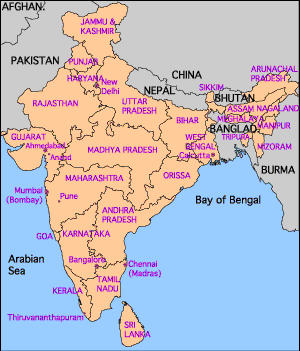
India By Amari


HISTORY
Colonized by Vasco de Gama of Portugal, people have lived in India for over 200,000 years. People have tried to invade India, such as Persians and Greeks in the BC times, but India was able too prevail and beat them. However, Brittan colonized India until 1947 when India broke away.

ECONOMY

India relies on agricultural values such as: bananas, beans, cabbages, coconuts, corn, cotton, potatoes, rice, sesame seeds, saghrum, and sugar cane tea. Although, a lot of India’s economy is focused on their agriculture. 1/3 of their economy is focused on building houses. However, India’s health care is lower than Europe’s and America’s health care because of housing problems and diseases spread by dead animal , but the kids suffer the most because their parents die because of diseases and murder.

CULTURE

India's flag

India’s is made out of 27 states and 7 unions. There is 1 legislator per state sometimes 2. Usually the legislator is Hindu because although the constitution gives equal rights to women and men and different ethnic groups. Hindus get better and more jobs.

Tina Rao left unlike other Indian immigrants, because of religion and sexism. It was 1985 a dark year for Tina Rao the year she went to America. Her parents had to sit her down and explain to her:

“Tina I know this might be hard for you, but we have to go to America”. Tina outraged cried and said she didn’t want to go. But what she didn’t know is that she wouldn’t have as much of a chance at getting a job in India than in America, because most of their jobs are meant for men and she was a woman. But she did know that she was Christian and she could celebrate her religion more in America than India
.
After a lot of arguing and crying Tina lost the battle and her parents told her to go upstairs and pack up to get ready to go she packed pictures to remember family, clothes and toys her family had to buy every thing else in America.

Than the day came she went to say her last goodbyes to her family and friends. As they got on the plain, thoughts raced threw Tina”s mind would she be a victim of racism, what does America really look like and are there any family members that she doesn’t know about . But when she got there most of all her questions where answered, She saw people greeting other immigrants no dead animals on the ground it didn’t stink and she saw organized traffic she saw America.

Although she likes America she still misses things from India such as food, family and friends. But Tina Rao doesn’t miss her country that she would move back but she doesn’t love America that much that she doesn’t visit her homeland. e could celebrate her religion more in America than in her home land.

Nana Kyea's Story By: Amanda


Culture;
Ghana has many different types of languages, food, and religions. Any Language in Ghana is mostly English, however, the government made nine more languages which are Akupem –Twi, Asante Twi, Dabone, Dagbone, Ewe, Fonti, Ga, kasen, Ga-adangasa. [GIP]

Ghana also grows many types of food such as yams corn, plantains, cassava and coco yams. The vegetables grown are okra pineapples eggplant, tomatoes, onions and yams. Last but not least, Ghana grows fruit such as: coconuts, pineapples bananas, ground nuts and fish and beans. Overall, Ghana is an arid or dry country, but it is able to grow lots of food [GIP].

There are three main religions in Ghana which are animism, Islam and Christianity.[GIP] Fashions for Ghanaians are clothes made from: cloth, silk and cotton colors mean …gold and yellow mean royalty green means harvest blue means love and white and ivory mean joy. Men wear Kent cloth while women wear skirts, blouses and head wraps from cloth. [GIP]

Kente Cloth worn by royalty

Economy
Mining gold since 1860. The richest gold mine in Ghana is in the Asorte region .The minerals are steel diamonds, aluminum, aukese, hautite and ingredients for steel. The diamonds are located 70 miles northwest of Accra. Diamonds are used for drills, metal cutting machinery and aluminum is used for rods. (GIP)Forestry: Wood in Ghana is very valuable hardwood their trees are mahogany and teak. The trees that the workers cut down are processed and made into timber or shipped overseas. Fishing: The waters are filled with fresh tuna and herring. (GIP) Workers go out in canoes to the waterfalls and catch sardines and mackerel. Women cook and smoke on a stove and sell it to markets. (GIP)

History/Economy

Ghana's flag

Slave Trade: Ghanaians’ were captured for slave trade at the port to be sold for money. The people bought the slaves and made them work in fields to pick cotton, sugar and tobacco. (GIP)
British control: When the British came they saw that there was slave trade and they did not like slave trade so they snuck bye the ports and often sent the ships back. (GIP)
When the British tried to colonize the gold coast they felt threatened because of the strong army and powerful kingdom invaded the coastal area along with the Dutch and Danish. (GIP) When the people of the coastal area asked the British to leave they would not leave so they gave the British some supplies and they left leaving the Danish and Dutch. (GIP)
Jobs: In Ghana there are many types of jobs for example, there’s government, healthcare, doctors, nurses, teachers, farming, market workers, restaurants, hotels, castles and beaches. (GIP)
Nana Kyea left his country to get a better education. When he left he felt uncomfortable in an unknown place. He felt he was leaving behind his children and his relatives however he knew he wanted a better education. When he arrived everything looked different, for example Ghana has plains and wild animals however DC has tall buildings and flashing lights so it’s scary being somewhere unknown.

My Dad's Story By: Max


Background info.
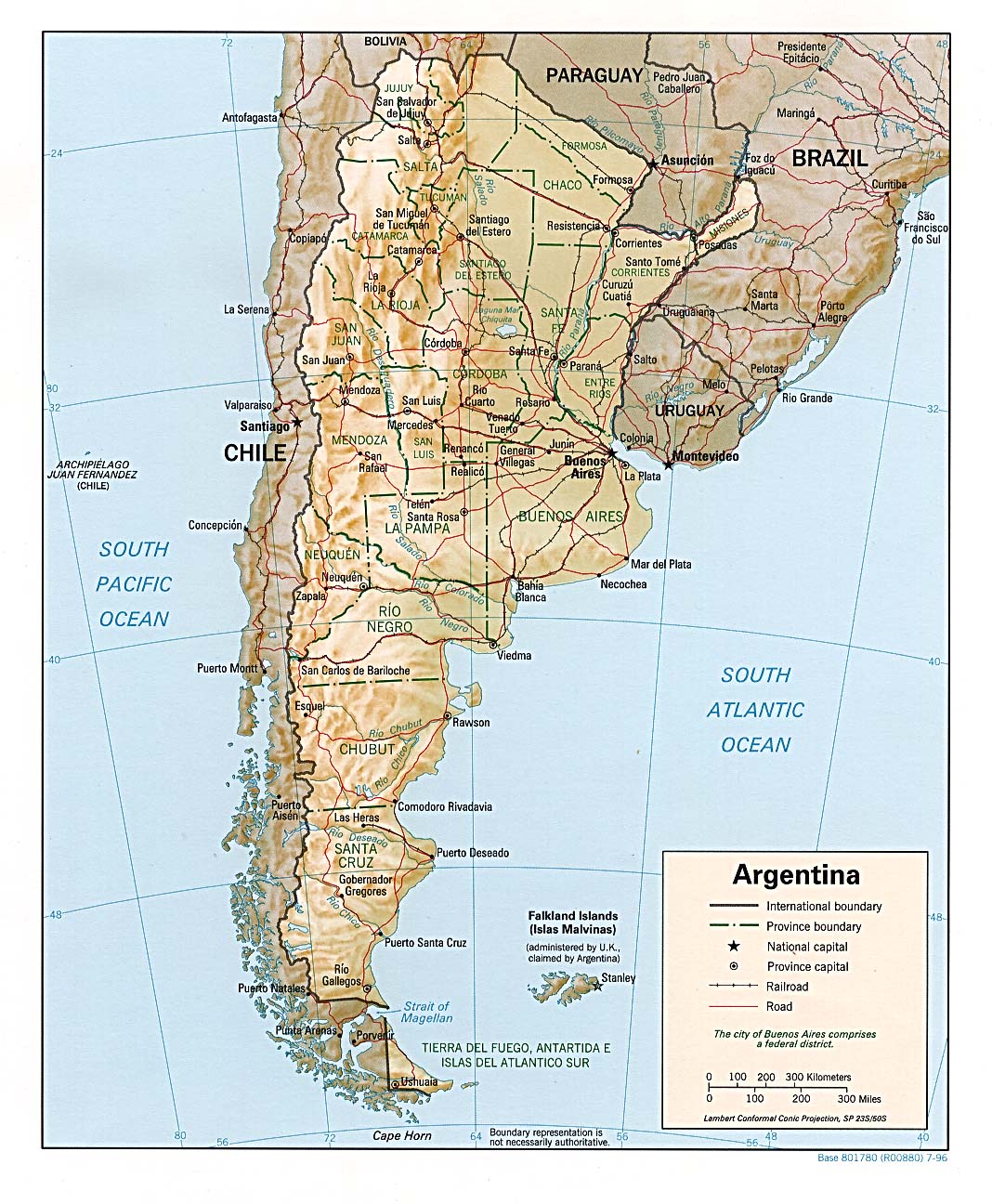
My dad is from a country in South America called Argentina. It’s in between Chile, Uruguay, Brazil, and part of Bolivia. The capital of Argentina is Buenos Aires, which in Spanish means “Good Air.” It contains many avenues, parks and plazas. Furthermore, La Casa Rosada (Pink House) is where the offices of the president and other government officials are. It faces La Plaza de Mayo, which is the cultural and historical center of the city. Also, most Argentines are of European ancestry, mostly Italian and Spanish. After Spain colonized Argentina, several waves of European immigrants came to Argentina. Some natural recourses are: industry, (28%) agriculture, (5%) and services. (67%) (World Book). Furthermore, the peso is the Argentine money; it is equal to 3.63 US dollars. This exchange rate isn’t so good.


La Casa Rosada in Buenos Aires

Here is some culture that I will tell you about: the Tango is the national dance and music of Argentina, it was also originated there. Soccer, is also some thing that is very important in Argentine culture, it is the most popular sport in Argentina, and in the world. Many Argentines enjoy it not only as a spectator but also playing the game. Now onto the food, Argentina is Very well known for their quality beef and wine, Malbec is an example of quality wine from Argentina. Also Argentines have a reputation for bring very well dressed, they get some of their ideas from Paris and (as my sister would call it) other Fashion Capitals of the world (World Book).

Now I will tell you some history of Argentina. The Economic Crisis of 2001, was the worst in Argentine History, many wealthy people moved they’re money out of the country. The government responded by not letting people withdraw money out of banks. Moving on a year, since 2002 Argentina has had three presidents: Eduardo Duhalde, Nestor Kirchner, and his wife, Christina Kirchner.

In 1976, hundreds of people died in terrorist attacks, this was known as “The Dirty War.” Military officials arrested Peron, (the leader at the time) and took over the government. This is the reason my father left for Israel.

The Story Begins.
In the year 1976, in Buenos Aires, Argentina, the military was in power. Scared of the younger generation, they were oppressing people who thought differently. Many of my father’s, Hector Schamis, friends tortured and sometimes killed. He was forced to leave. My father was very scared.

He went to Israel, by himself, without his parents, (they weren’t getting oppresses because they weren’t the younger generation) and no friends. He brought little clothes. When he arrived, he went to a youth hostel. He worked on a kibbutz, which is like an Israeli farm. He had his own tractor with air conditioning and a radio. After a few years he decided it was time for him to go back to Argentina.
After staying in Argentina for approximately a year, in 1986 he left for America. He had gotten a scholarship to Colombia University, NYC. He was so excited, he was going to study social science, and in the biggest city in the US! This time he brought more clothes and some of his books. He accomplished many things in the Big Apple, he met my mom, and he was inspired to be a professor in social science. My dad may have been having trouble finding an apartment, but he was very happy in the City Of Dreams.

He says that some immigrants leave because they don’t fulfill their dreams. He certainly did, because now he is a professor at AU, (American University) in Washington, DC. And obviously, teaches social science. He inspires students every day to learn about politics in South America

Immigrant Project: Maresa

My mom is from Mexico and it has a very long History, like the many temples that were built by the Mayan’s in 650 A.D. The early Mayan’s used flutes, ground rattles and sea shells for musical instruments. Later on there was many acts and revolts ,there was a dictator called Porfirio Diaz , that was in charge of the army and the economy in addition the economy grew and helped built railroads, mining and oil wells. The payment was low and lots of the unions that got together went down. His opponent Madero decided to run against him in 1910. Diaz told the army to arrest Madero. Some of the revolts were led by Emiliano Zapata and Pancho Villa they were great leaders. In 1910 Diaz left Mexico and Madero was murdered. The leaders and the enemies fought. Many artists tell the stories in painting (The World Book, Student Discovery Encyclopedia).
Mexico’s culture is amazing and it has many types of holidays like, El dia de la Independensia, El dia de las Brujas and el dia de la guadalupana. Many of the holidays were made by Catholics. Others celebrate the Native American and Mayans dances like the rain dance, the bird dance and lots more. Some Mexican people go to bullfighting .Mexico’s women stay home doing lots of thing like making food, taking care of their kids and more . The most popular foods in Mexico are tortillas, tacos, burritos and enchiladas (The World Book).
The economy has workers that help it grow, half of Mexico population works and the other stay at home. The economy of Mexico make money by selling and making many things like oil(gas) corn ,tortillas fruits and rockets mining , fishing, wood and more. Mexico also sell things like paintings and had to help her dad to sell candy, fruits and water.(The World Book).
My mom wanted to leave Mexico and come here to get a better job so that she can help her mom with her brothers and sister. She was sad to leave her family and friends behind but it was for a good reason. At the same time she was exited to learn new cultures and new people. When she got to the U.S.A she was scared to come out of home and get lost.
When my mom first came here with my dad she brought some thing like dresses, picture of my grandma and cards that my dad sends her she also brought things to give her memories of Mexico. When my mom came here the first thing she did was to get marry with my dad, then she wanted to go school and learn English. After lots of years my mom got conferrable and stayed. She got a job at Centro Nia but now she works for Barbara Chamber. After a while she had my brother, Caleb, and me.
In conclusion my mom wanted to come for many reason like to get a better job so that she can win more money and to keep our family with food on the table. She did this for her self and for our family. She is now a teacher at Barbara Chamber she teaches kids three years old. She has accomplished many of her goals. I’m proud.

The Man from Germany By: Patrick


The German economy is one of the most advanced in transportation and recycling of its time, here are some examples. Some of the main ways the people of Germany get around are the railroads and highways that connect all parts of Germany. Their railroad network is amongst the largest in the world and was started in the 1970’s. Although their railroad networks were huge and a great way of transportation, the Germans population grew and they had to build more ways to get in and out, thus in 1933, Adolf Hitler began building a four lane highway system (6,800 miles) called the Autobahns. Coal is still a major source of electrical power in Germany, but its use has declined since 1974 as oil burning and nuclear power generating plants have become more common (Wikipedia).


Germany's history is a grave, war filled one, and here are some examples. The German states were amongst the first in the world to set up a public education system for all children, The Kingdom of Prussia created this system in the 1800’s. During the 1800’s, the Germans lived in many separate states; one was The Kingdom of Prussia. The minister of Prussia was Otto Von Bismarck, who wanted to expand Prussia and take German cities under Prussian leadership. This was the starting point of World War I. In 1933, Adolf Hitler (who was leader of the Nazi party) began to think like Minister Bismarck and became more powerful by causing fear and death throughout the German lines. In 1939, people finally began to fight back for what they believed in thus causing World War II. So as you see, man so power-hungry, they caused some of the biggest wars knew the Germans. After World War II, Germany separated as it went into dividing as a huge wall was put up keeping rich from poor, this went on for a long time but finally, after a long time, the wall was put down. Germany is Federal Government, including a Parliament, a Federal Chancellor and a Cabinet. It was created in 1990, based on a Democratic system in West Germany (Wikipedia).


Germany’s culture has been one of the most populated places in Europe, but has been dropping caused by many things. The people of Germany contain 95% German civilians, 5% Europeans, most of which speak German. The estimated population of Germany is around 82,636,000 people. Germanys Military, the Bundeswcher is a defense force, allied with the army, Navy, Air Force, Central medical services and the joint support service as well. The age you are required to be is (unsurprisingly) 18 years of age or older. Through out time, the German population has decreased. Christianity is the largest religion with around 53,000,000 people; Islam is the next biggest religion with around 3.3 million people (4%). Buddhism and Judaism both with the population with around 200,000 people (.25% each); Hinduism comes next with around 90,000 people (.9%). Other religious communities contain around 50,000 people (.5%), And the rest of the 24.4 million Germans have no religion what so ever (29.6%). My person left to meet someone and to get an education in other languages, and he thought that in the U.S.A he would be successful with both. (Wikipedia).

“Goodbye” was all H.H had time to say as he was pushed by the mob of transportation hungry Germans. Being shoved through the light filled corridor of the airport, his heart became dark, but had to remind himself that this was his choice and, besides, he would be back. He was just going to the U.S to get a better education and come back a wiser man, thus getting him a better job in Germany. Frightfully, though, as he walked into the plane he wasn’t so sure.

H.H. was very close to his family and friends in Germany and was very sad that he was leaving, however, his dream lied in the U.S.A. so he knew he had to go through with it. To remember everyone, he took various things , such as clothes, his favorite books, cd’s and tapes, his laptop, many pictures of his family and friends and (because he was into it ) soccer clothes and a ball. Although it was tragic that he was leaving Germany, he was still very excited to be going to a new place and meeting new people. Even though the reason he was leaving was to become more intelligent, he felt it was his duty to earn money to bring back to his family.


When he first arrived in New York, he had to go through many tests such as explaining why he had a reason to be in the U.S. and how he would (if he got a green card) be a good American citizen. Then he had to explain his talents and who he intended to work for and why (‘I was uncomfortable exposing my personal information” said H.H.). When he finished, he quickly approached a public telephone and called some of his immigrant friends, asking if he could spend a couple of nights there, just until he could earn enough money to rent an apartment. This was working out for him and the next day, he would go out and try to get a job.

H.H. had been in the U.S. for almost 11 years until he met Marry (his wife), because of her, he decided to stay in the United States. He found that, in his opinion, the U.S. was a better life and that he wanted to stay there with Marry. However, some people’s lives don’t work out that way, some people decide that even though they can’t make much money in the place they immigrated to, the U.S. is a violent, racist place and that he/she has better chances of surviving in where ever they came from instead. H.H. was one of the lucky ones.

Monday, March 16, 2009

THE HUNGARIAN GIRL by: Drew

Dedicated to Fae and Jack Glick

Hungary is a land of many diverse cultures and has great sights to see. That is the reason my great-great grandmother did not want to leave….

Hungary has a good economy, history, and interesting culture, which is fun to learn about. Their culture starts 2,050 years ago where their native language, Magyar, started. 88.6% of the people of Hungary speak that language that started about 2,050 years ago, along with the symbol of the agricultural land, its flag which has horizontal stripes of red white and green. Also, it is a very musical land which shows talent in many instruments (They are very good at the Cello) (World book).

Heroes Square in Budapest

As I said, Hungary is a very agricultural place. Most of their income is made by growing crops. And that leads on to their two greatest resources: fertile soil and a very comfortable climate which is great for growing crops. Besides that Hungry has a very good air force with 45,000 men and women. Hungary also has a talent in making guns and sells a lot of them to Israel. Hungary once had an industrial revolution in the 1920s that made a lot of arms. (Hungary book) Still, Hungary is not one of the richest countries in the world (World book).


A View of Budapest

The capital of Hungary is Budapest. Budapest is a beautiful city that has marvelous fountains of lime stone. 2,000 years from now was the beginning of the city, when the native Hungarians took their land back from the Mongol tribe and allied with other countries around it to make the Ottoman Empire. But the Ottoman Empire didn’t go to well in Hungary and it became a dictatorship until World War One (Hungary book). That is why my great-great grandmother moved to America.

In September, 1855 Rose Solomon stepped out of the salt smelling boat to set foot on the new land she had traveled three months to get to. Three months of nothing to eat but bread, cheese and raw onions which made her stomach hurt. The four-year old Hungarian girl held her mother’s hand for safety. It seemed very easy to get lost in a crowed dock full of immigrants and fishermen trying to sell the same product. Rose and her family moved because they did not make enough money growing crops in the fields. And also there was a dictatorship at the time. The dictatorship was not just made of one person, it was an entire government.

Rose and her family’s journey started when her parents told her that they were moving to a new land, America. Rose did not know what immigration was at the time because she was four.
Her family did not make enough money growing and harvesting crops in the fields. So they signed permission to go on a boat. One day their boat arrived and they hopped aboard the ship which also carried other immigrants who wanted to escape the evil government. Rose and her mother and father carried very little items on the boat all they carried where two changes of clothes for each, a pocket knife and food. Three months later they made it to America.

About ten years later Rose knew nothing of the English vocabulary she couldn’t speak to any people in her school. The worst part was that she did not make a lot of friends. She didn’t really care. Every day Rose would come home and practice her studies. As you can tell she worked very hard on the things she wanted to master. Two years past and Beatrice got out of school when she was sixteen. After that she a new life.

In 1867 Rose got married to Jonathan Kleinberger when she was seventeen, had three children and died in 1911. She did not get a job because at that time women did not get jobs. Their children had two children named Ethel, my aunt and Fae, my grandmother. And now I remember my great-great grandmother as a hero of my family who took a risk and came to a new land, America.

Immigration Story: Panama By: Tatiana


My stepfather, Ricardo Balanta immigrated from Panama in 1997.
There are a lot of stories on Panama, and they’re pretty interesting, so please enjoy them. Here are some stories on Panama. Well first there is an interesting story on “Panama Viejo” that involves Spanish Pirates and the captain Henry Morgan. The fire, construction and pillage that were caused by Henry Morgan in 1671 provoked the move and construction of a new city in 1673, which today is known as the Old City Center or Colonial Panama (infoplease.com). The fire wasn’t only caused by Henry Morgan he brought 1,200 Spanish pirates with him that were just on a nine day trek through the jungle. Hopelessly outnumbered, the Panamanian defenders tried to guard the city itself but their morale was broken and they gave up less than eight hours after the first shot had been fired(infoplease.com). The pirates never attacked Panama again. ( LASR.net)

Furthermore, there is a story about a former president named Manuel Antonio Noriega (wikipedia.com).
He is a former Panamanian general and the military dictator of Panama but held the post of “chief executive officer” for a brief period in 1989(Wikipedia). The 1989 invasion of Panama by the U.S. removed him from power, he was captured, detained as a prisoner of war, and flown to the United States (Wikipedia). “This invasion was an attempt to overthrow military Dictator Manuel Noriega who had been indicted in the United States on drug trafficking charges and was accused of suppressing democracy in Panama and endangering U.S. nationals”(history.com). Noriega was also tried on eight counts of drug trafficking, racketeering, and money laundering in April 1992. Noriegas U.S. prison sentence ended in September of 2007, “pending of extradition requests by both Panama and France, he remains in prison as of January 2009(Wikipedia) So in that time that would be a push factor in that time.

Here is some info of Panama; well to start with, the capital of Panama is Panama City.
It also is explored by Columbus in 1502 and Balboa in 1513(Lasr.net). In 1821, when Central America revolted against Spain, Panamá joined Columbia, which had already declared its independence (Lasr.net). For the next 82 years, Panama attempted unsuccessfully to break away inventions (Lasr.net). Another good fact about Panama is that after a U.S. proposal for Canal rights over narrow isthmus was rejected by Columbia, Panama proclaimed its independence with U.S. backing in 1903(Lasr.net) .

Culture in Panama is very interesting also. The language Panamanians speak is Spanish. There music is Cumbia, Bolero, Merengue, Reggae, Mambo and Salsa. There food is fried tortilla, purple potato salad, Onion Tomato and Lettuce and add Vinegar as dressing, they also have, arroz con gandu, platano de tentacion, and patacon. Their most famous food is “sancocho”. It is a spicy combination of vegetables ang chicken in the form of stew. In conclusion, these are a few facts on the culture of Panama (all from Wikipedia.com). All of these delicious foods! This is a great pull factor.

The economy is something big in Panama also, really big (tropicalfrontier.com). This is because; one part of the economy from Panama is the Panama Canal (focuspublicationist.com). Panama Canal is a big part of tourism (Lasr.net). If you were wondering, the Panama Canal is a World Wide importance as a transportation center because it’s good tourism, transports goods, people go on cruises through the Panama Canal, The Panama Canal is a man made channel which joins the Pacific and Atlantic oceans(infoplease.com). “It is one of the largest and most difficult engineering projects ever undertaken; it had an enormous impact on shipping between the two oceans replacing the long and treacherous route to via the passage and cape horn at the South western most tip South America” (tropicalfrontier.com). The Panama Canal is a beauty and also is a great part of the economy (panamatours.com). However, the Panama Canal is not the only part of economy (World Fact book encyclopedia year 1999). There also is a beautiful Panamanian woman’s dress called a “pollera” (Lasr.net). “The pollera is a lacy frilly creation which is as colorful as it is expensive” (panamatours.com). People can make a lot of money out of this dress because a lot of tourists would like to buy them for their children or for themselves (Wikipedia). In addition, business in Panama is somewhat the same as here in the United States (tropicalfrontier.com). Although, there is one part that is not the same there is a lot of jobs (Wikipedia). So the economy is very successful The Panama Canal, that is definitely a pull factor, a lot of tourism. The “pollera” is also a pull factor.

My stepfather, Ricardo Balanta was born in Panama City in 1981. He grew up wanting the best out of life. Ricardo would love spending his days in his grandmother’s big house instead of his parent’s small apartment. He dreamed big and wanted to be successful one day. Ricardo would talk to people who would visit Panama and lived in the U.S. An aunt who lived in the U.S. came to Panama and requested a visa from the Embassy so that Ricardo could visit. Ricardo was 15 years old when he came to the U.S. on March 1997. He was very young and unfortunately was too excited to think about doing anything but hanging out. His aunt was not happy with his behavior and sent him back to Panama.
He was very sad and realized he could have been better. He saw no future in Panama. January 1998, Ricardo ran away from home with the help of his cousin from the U.S. He wore two pants and packed a few things in a plastic bag and told his mother he would be back later. However, Ricardo was making a huge decision of leaving Panama. He was afraid of the unknown, afraid if this was the right decision. Ricardo wasn’t just looking for the experience but for a better way of life. His parents were scared when Ricardo didn’t return that day. They looked in hospitals, police stations and even the morgues for him. He called the next day to let them know that he was in Washington, D.C.
When Ricardo arrived he needed to get a job and to get a job, he needed to learn English. Ricardo was a newspaper boy in the mornings and would go to high school during the day. Unfortunately, high school wasn’t so successful for him because he had trouble speaking English so he failed on tests. Everyone would say “Hey there’s the immigrant”. Ricardo said he would cry a lot his first few years here in the United States.
Years went by and he barely made any money. His first real job was as a building maintenance guy in an office building in downtown D.C. My mother worked in one of the offices in the building. When they met, as my mother describes it, “Sparks flew.” Now they have been married for 4 years and have a 3 year old son. Ricardo works for a new company where he makes more money. Nowadays, we travel to Panama to see Ricardo’s family.


All of the beauties that Panama has, I bet that is a big reason why Ricardo Balanta had a hard time choosing if he wanted to come here. In conclusion, Panama is a very beautiful and unique place; however, it needs to work on the drug selling.

PERU, OH PERU!!! By: Nathalie


Peru is a poor country just like Bolivia. Peru is impoverished because in the 1960’s there was a lot of unemployment and rapid inflation (costs go up). In 1968 a military government took charge of everything Peru had. The military government gave part ownership to the employees of farms and factories. In 1980 a civilian government began increasing private ownership of businesses. The government thought that it might solve some of the economic problems including rapid inflation (costs go up) and high unemployment. At the beginning, the government was slow carrying out its policies. But in the 1990’s the government put down a “high card” to increasing private enterprise, and the inflation was now under control. But unemployment and other economic problems (continued throughout all of Peru). The economy was eating Peru alive (World Book).
Nowadays Peru has gotten out of high unemployment and rapid inflation, and many people have jobs like fishing. Peru ranks among the leading countries in the fish industry. Every year Peru fishes many anchovies, sardines, tuna and other ocean fish. The most kind of fishes caught are sardines. Dried Peruvian sardines and anchovies are sold in the many places in Peru for livestock feed. Anchovies are also used to make anchovy flour (Encyclopedia World Book).
Mining also is a big job in Peru. These are mined in the highlands. Peru also produces lots of iron ore, lead and petroleum. The richest iron mines lie in the far south coast. The north coast and the jungle are rich in petroleum deposits. The highlands are rich in most importantly ………….gold deposits.
Lastly, another Peruvian resource is Guano! Almost 40 small islands off the Peruvian Coast have many big and large deposits of guano (bird droppings). It makes a very good fertilizer. Companies from the Government mine the guano and sell it to many farmers or people who grow food on their land. Guano helps your Fruits and
Vegetables grow juicy and delicious (World Book)!

Also, the people care a lot about their music! It’s their lives because Peru has had music since the Incas had lived there. In those days the Incas danced to different rhythms than now. Here are some of the kinds of dances there are in Peru: La Marinera, Tondero, Huylas, Peru Negro, La Diablada, La Polka, and etc. The dances in Peru are very interesting and exotic (World Book).

Other than music Peru is very proud of their food. Furthermore, there are many kinds of foods like: spicy, mild, sour or even sweet food. But there is not one country that can cook food like Peru does! Now I’ll name you some of the foods there: Ceviche, Papa La Huancaina, Pachamanka, Rocoto Relleno, Tamales Peruanos, Papa Rellena, Pastel de Choclo, Timpo, Rache and Arroz con Pollo y etc (World Book).
On the one hand they speak interesting languages. In Peru they speak 4 languages: Spanish, Quechua, Aymara and one that I don’t know the name of. Spanish is the most common language in Peru, many Peruvians still have not learned to speak English very well. About 3% of the Peruvians speak English and Spanish. English in Peru is like trying to learn to speak Japanese in America. On the other hand they also speak Quechua. Quechua is also a very common language in Peru. Many people speak to each other in Quechua very quickly. When my mom does not want me to understand something she says she starts to talk in Quechua with my aunts and while they talk Quechua I just try to listen and understand a little bit.

Many people believe that the first people to live in Peru were the Indians that came from North America about 12,000 years ago. The Indians learned to farm. They raised and took care of the Llama and grew potatoes wildly in the highlands. Potatoes became very important in Peru long before they were known in the world.
The Inca, who built Peru’s last Indian Civilization, were conquered by the Spaniards in the late 1530’s. The ruins of Machu-Pichu probably once an Inca’s Royal Estate stand near Cusco.

Furthermore there was a War of Independence in the 1800’s between the Peruvians and the Spaniards. In the War of Independence the heroes of Peru’s Independence from Spain were Jose de san Martin of Argentina and Simon Bolivar of Venezuela. Both of them wanted to end European rule through all of South America and Peru became their target. Most Peruvians took little or no part in the Independence Movement. The Indians expected to gain a little if Peru became independent. San Martin and his army invaded Peru in 1820, he declared Peru independent in 1821, although much of Peru was under control. Boliviar and his army went into Peru in 1823. In 1824, Antonio Jose de Sucra, one of Boliviar’s generals, defeated a large Spanish-Force in Ayacucho in South-Central Peru. The only things left of the Spanish were their troops held only in the city of Callao. They finally surrendered in 1826. Although Peru had been saved and was now free Spain, still did not recognize Peru’s Independence until 1879.

In 1992 my mother Sabina Dary, immigrated from Peru to the United States of America. Her journey was long but worth it! My mother was so surprised when she got here because everything was so……………clean, not like Peru where everything is either broken or dirty, but when my mom took her first steps in the United States of America she felt as happy as a monkey winning the banana lottery!!! She couldn’t believe she had actually gotten this far! Before 1992 my mom was working at the age of 12!

Now, how would you feel if you had to Wake up at 4:00am every day to work and then walk 2 miles to get to school? You would probably feel tired right, but my mom did that until the age of 30 when she said: “NO MORE WORK” and that is when my mom decided to go to the U.S at the age of 30. After she got to the U.S she decided to go to the so called “airport mini mall” so when she got to the mini mall she got hypnotized by the smells of food, she just couldn’t contain herself she rushed in line waiting anxiously!!!

After my mother ate she went to go get her baggage at the baggage claim. After she got her bags she went to a hotel and checked in for the very first time, when she got her room key she went to her room to go take a nap. When she woke up she decided to check to see if she had gotten all her luggage from the airport, but noticed that one of the suitcases wasn’t there! But that wasn’t any old suitcase with clothes in it, it was the suitcase with the presents for the family that gave my mom her VISA.(not the credit card) My mom ran to the airport faster than a cheetah in an Olympic race trying to win the gold!! When she got there she went directly to the baggage claim, and relieved my mom found the suitcase with all the presents in it!!

After the big race to getting the piece of luggage it was about 2:00pm when she got back she decided to go down to the BEACH in Miami, Florida and just relax and think about the future in front of her!!

In conclusion, my mom decided to stay because that was what she came for. Also, my mom wanted to learn English, so after 6 months my mom finally got accepted at “CARLOS ROSARIO ENGLISH SCHOOL.” It took my mom that long because she needed to find a job to keep a living and to pay her apartment rent. When my mom was 34 years old she met my dad, Bradley Dary at a party and they both fell in love!! At the age of 36 years old my mom had me in 1998. That is another reason why my mom decided to stay in the U.S, because she thought that I needed a good education and my mom did not want me to go to Peru and only learn more Spanish and Quechua. So she decided to stay!! My mom has been living in the U.S for more than 20 years and she will never leave. (only for vacation and stuff like that).